 3 months ago
45
3 months ago
45
Andy Davies
Jan 5, 2026, 08:02 AM ET
You could sense, just as Bournemouth's Antoine Semenyo had hold of Declan Rice's Arsenal shirt on Saturday, that the row over VAR's role in awarding second yellow cards was going to spark again.
It's a question I often get: Why, no matter the scenario or game-deciding consequence, does VAR never get involved? What is so different between a second yellow and a straight red if the result is the same?
At present, VAR is unable to interfere with the referee's decision over second yellow cards -- it can only act upon goals and straight red cards. That has rarely been as controversial in the Premier League as it has over the festive period. On three occasions, involving Arsenal (twice) and Manchester City, referees have decided against showing another yellow card when a VAR intervention could have meant a different outcome.
But should VAR's inaction on second yellow cards be changed?
Recent controversies
Dec. 27: Premier League, Nottingham Forest v Manchester City - Rúben Dias
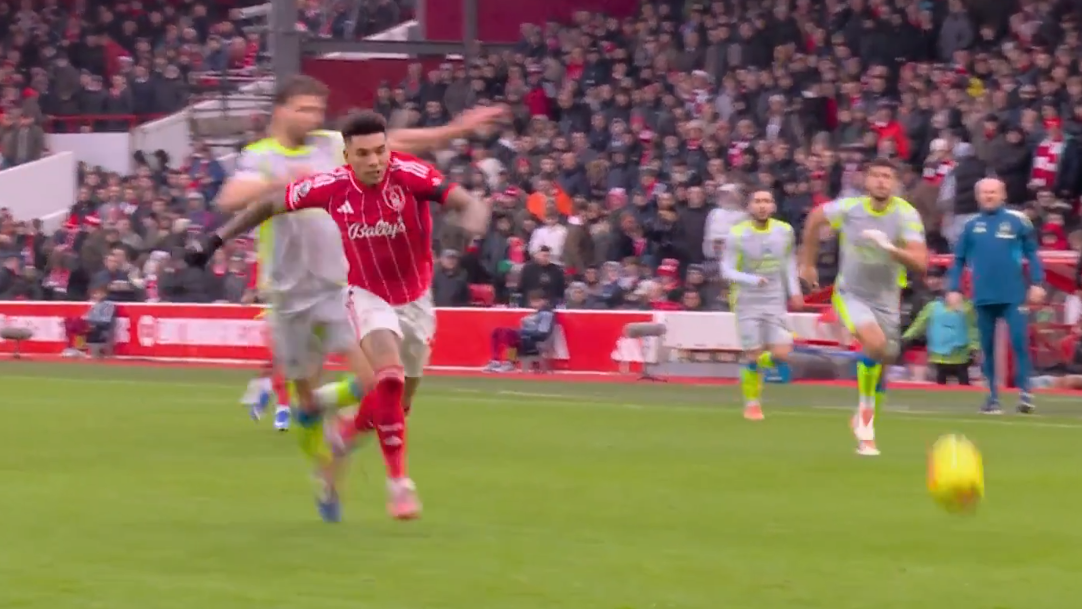
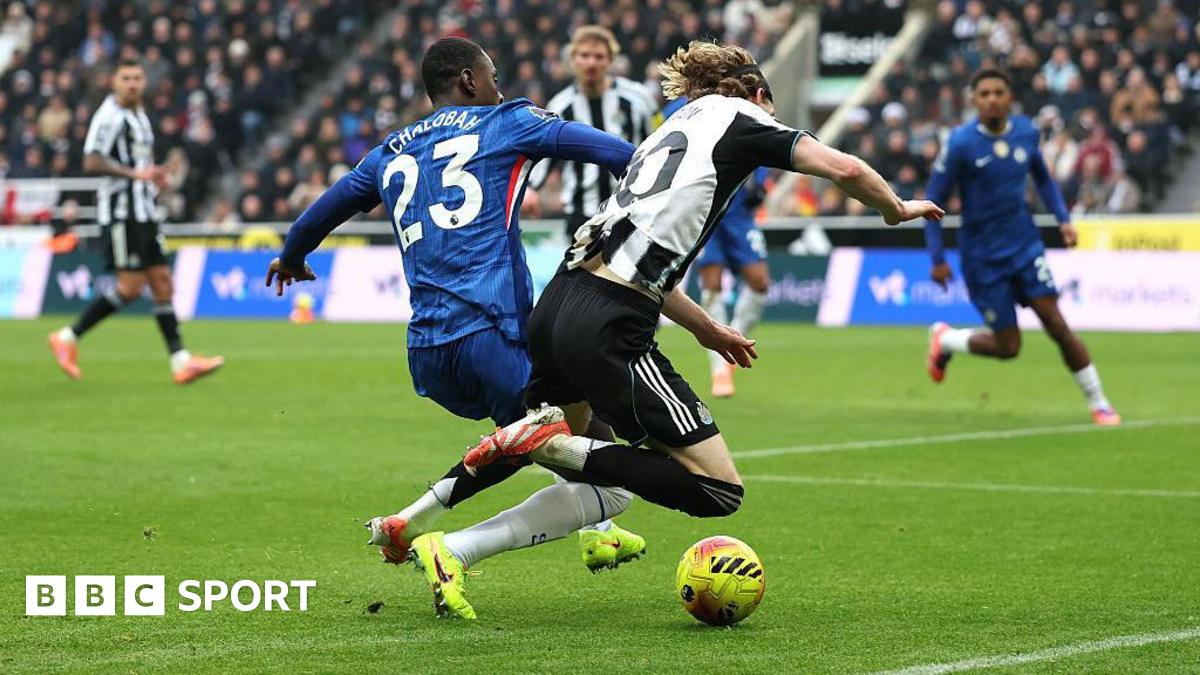
Manchester City's Dias clipped the heels of Nottingham Forest's Igor Jesus as the attacker was running on to a loose ball, beyond the City backline, with a clear opportunity to create a positive situation for his team.
This offence, deliberate or otherwise, stopped a promising attack and should have resulted in a second caution for Dias.
Dec. 30: Premier League, Arsenal v Aston Villa - Mikel Merino
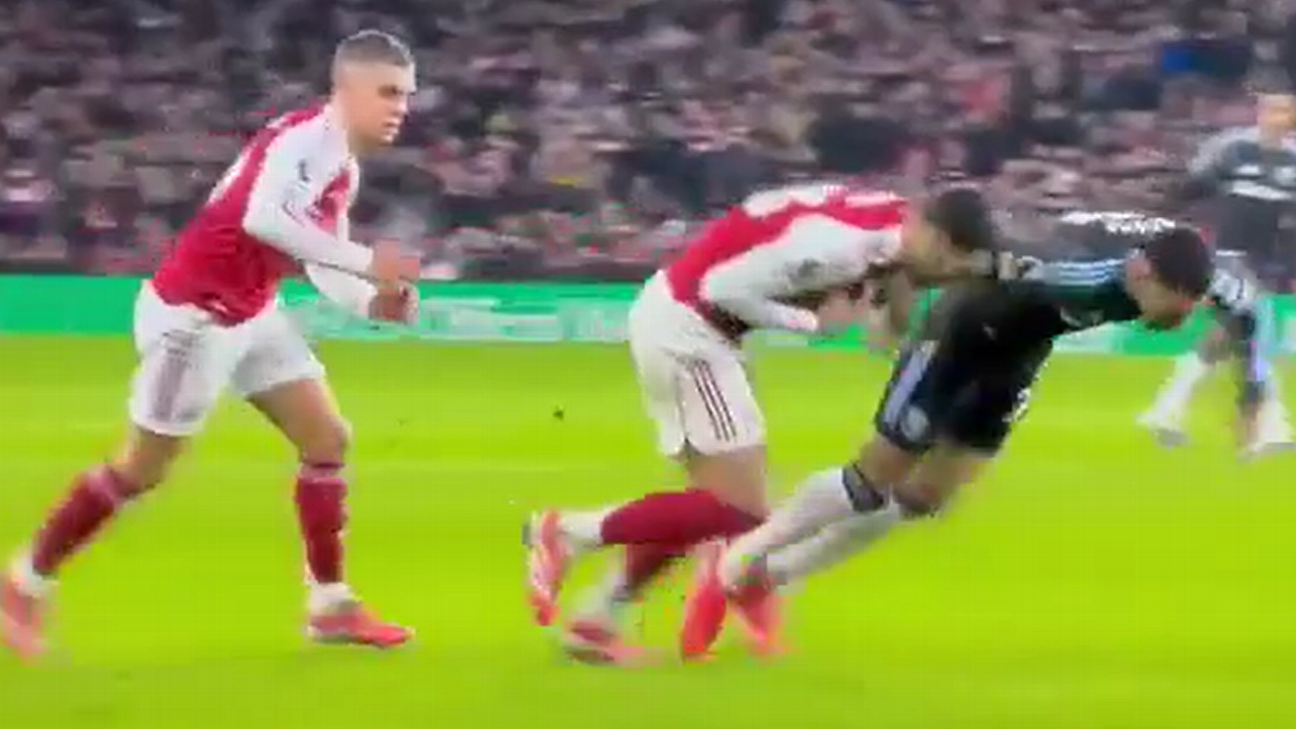
Arsenal midfielder Merino was deliberate in his action to pull back Aston Villa's Morgan Rogers as he made a smart turn. Rogers was clearly away and attacking Arsenal's final third with an obvious opportunity to create a positive situation for his team.
This was clearly an offence that should have been sanctioned by the referee; a second yellow should have been issued and Merino sent off.
Jan. 3: Premier League, Bournemouth v Arsenal - Antoine Semenyo
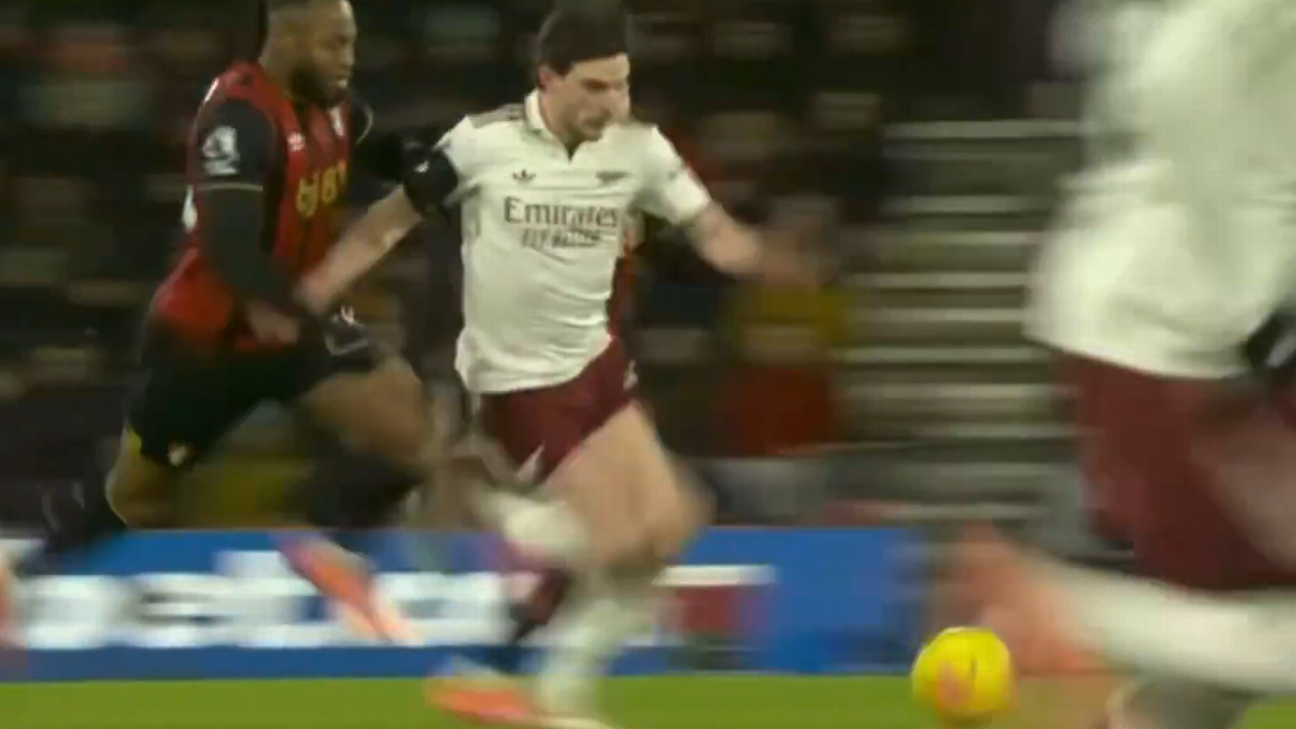
Semenyo deliberately pulled on the arm of Rice as he powered beyond Bournemouth's midfield and into the final third.
On this occasion, however, the referee did not penalize the foul and therefore negated the opportunity of a second caution to be considered or issued for stopping a promising attack.
Without doubt, the fact that Rice stayed on his feet saved Semenyo from an anxious moment, as the referee would have surely shown a second yellow card had the Arsenal midfielder gone to ground.
What is likely to change (and what isn't)?
VAR has no jurisdiction within its protocol to get involved in possible or issued second yellow cards -- unless awarded to an incorrect player -- however, one of those situations could be about to change.
IFAB has been discussing the value in VAR becoming involved when a clear error has been made in the decision that leads to a second caution. The consequence of a player being incorrectly sent off when evidence is clearly available to the matchday team can be game-defining, so this change makes perfect sense.
There is certainly momentum behind allowing the VAR to recommend an on-field review to the referee for a possible error in a second yellow card that has been issued, and I fully expect this to apply from the beginning of the 2026-27 Premier League season.
If ratified by IFAB soon enough, it could even make its debut at this summer's 2026 World Cup.
- VAR review: Why was Wirtz onside in Premier League, offside in Europe?
- Ruben Amorim sacked as Manchester United head coach
- No Maresca, no problem? Chelsea deal late blow to Man City, Guardiola
A good example would be the reverse of the Dias-Jesus situation.
Say that Jesus goes to ground in the same position, with the same opportunity ahead of him, and the referee awards the free kick and then sends Dias off for a second yellow card. However, upon review, the VAR has clear evidence that there was no contact by Dias on Jesus and therefore the second caution and subsequent red card was incorrect -- an error that is, at present, irreversible.
The process in this situation would require the VAR, as with all subjective calls, to recommend an on-field review, with the referee given the opportunity to view the replays and make the ultimate decision. That would likely result in the original error being fixed and it would be a welcome change -- by fans, clubs and even refs themselves.
Yet there is a crucial stipulation here: VAR would only get involved where a second yellow card has already been issued. It would still be unable to suggest a yellow card that the referee has missed or not given (such as the examples above). So what happens with those?
Does VAR need more power?
While fixing an error when a second yellow card has already been issued would be a positive step, allowing the VAR intervention with any potential second yellow card offences would, in my opinion, be a dangerous path, and I don't expect it to be applied to the protocol.
VAR involvement in possible second yellow cards would be viewed as a monumental change to current laws and would create a significant shift in the way that the referees currently manage games of football at the elite level. A subjective judgment for a second yellow card, rightly or wrongly, carries a higher threshold.
The big danger of introducing VAR into this scenario would force on-field incidents to be judged more factually, as opposed to allowing referees the freedom to apply their game-management skillset to any given incident.
Reflecting on the Dias and Merino examples shown above, each referee made a conscious decision to not issue a second yellow card -- albeit incorrectly in my opinion -- while the decision was made to not even call a foul for Semenyo's pull on Rice. But in each moment, the referee considered all relevant information, and reached what he believed to be the best outcome for that moment in that specific match.
I have no doubt that if these examples were first offences by either player, then a caution would have been issued. But allowing VAR to intervene on more subjective decisions would be akin to re-refereeing games, which is a path that we are all keen to avoid.